
Test the sleep mood first
Compare Minimalist, Scandinavian, Japandi, Modern, Eclectic, or warm traditional directions to see which one actually fits your room.
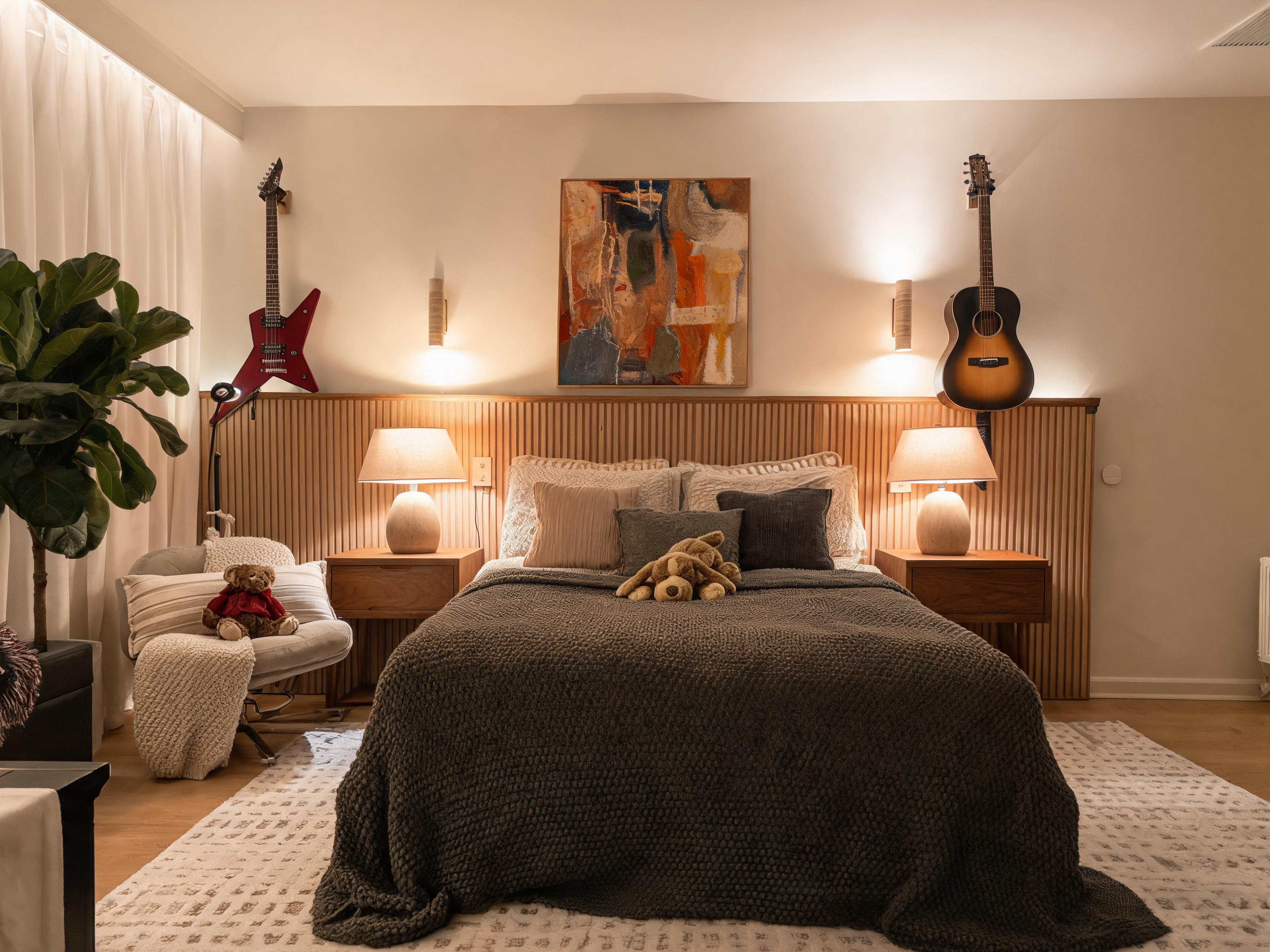
AI Bedroom Design From Photo
Use one bedroom photo to test style, bedding layers, bedside lighting, storage, wall color, and layout direction before you buy furniture or decor.
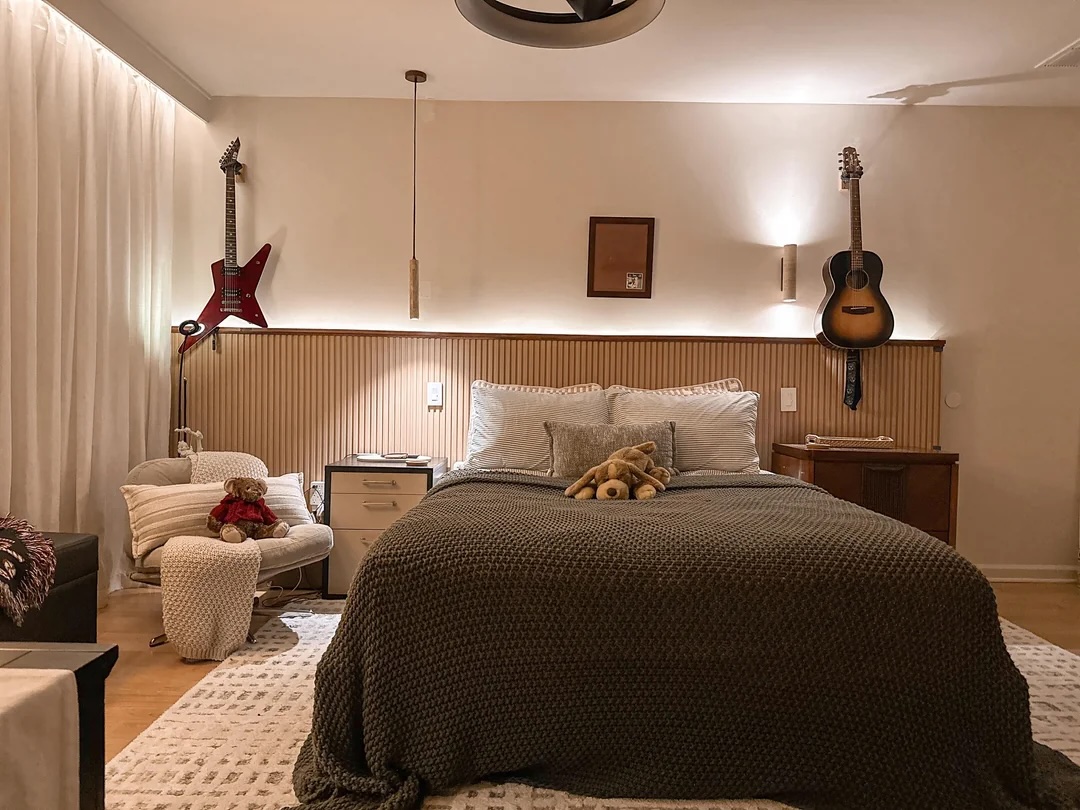
Start with your bedroom photo
Focus the preview on the mood you want: calmer bedding, better bedside lighting, warmer color, smarter storage, or a stronger bed wall.
Upload File
Take a photo (using 0.5x zoom)
or select from gallery.
Supports PNG, JPG, GIF up to 10MB
Bedroom
Bedroom is already selected, so you can focus on style, materials, colors, and the details you want to explore.
Add notes about the bed, storage, lighting, wall color, bedding, art, or furniture you want to keep before generating.
Bedroom decisions
Bedroom design is usually about mood and daily comfort: calmer color, better nightstands, softer lighting, storage that reduces clutter, and a bed wall that feels intentional.
Compare Minimalist, Scandinavian, Japandi, Modern, Eclectic, or warm traditional directions to see which one actually fits your room.
The photo helps reveal whether nightstands, lamps, rugs, art, plants, or storage are too small, too large, or visually unbalanced.
A good bedroom design should not erase your life. Use the prompt to keep art, instruments, books, or furniture that should remain part of the room.
Bedroom examples
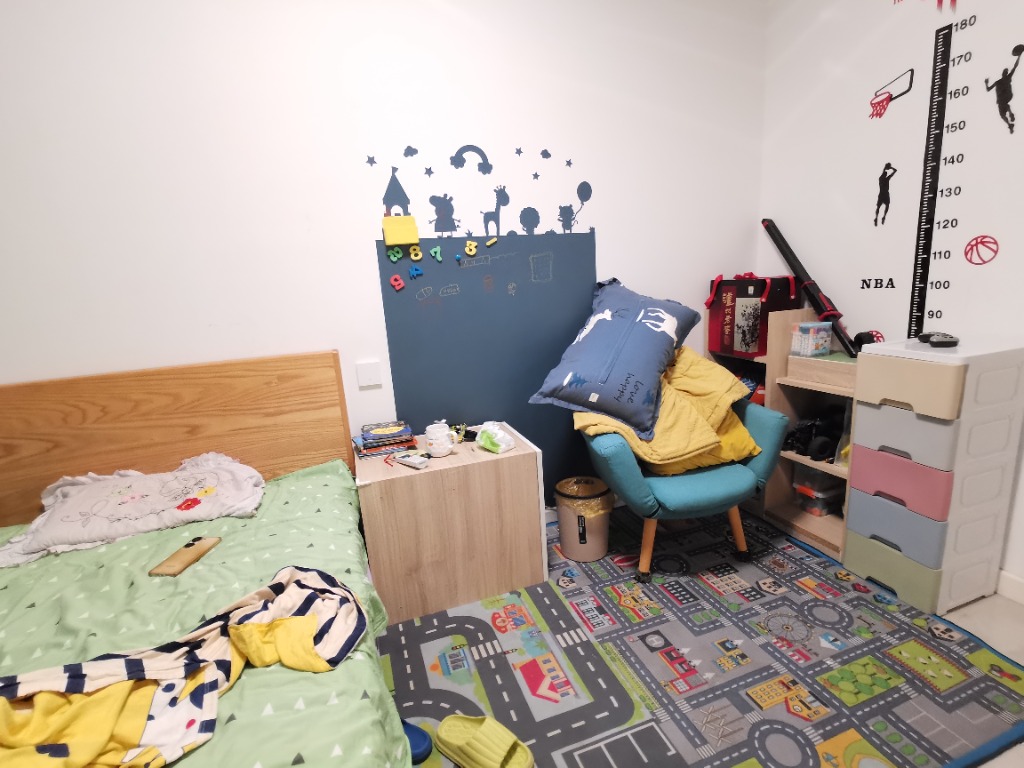
These bedroom examples show how different styles affect sleep mood, furniture scale, lighting, bedding layers, and storage without losing the personality of the room.
Bedroom · Eclectic
An expressive bedroom keeps its personality while gaining better bedside scale, layered lighting, and a more restful visual rhythm.
View this case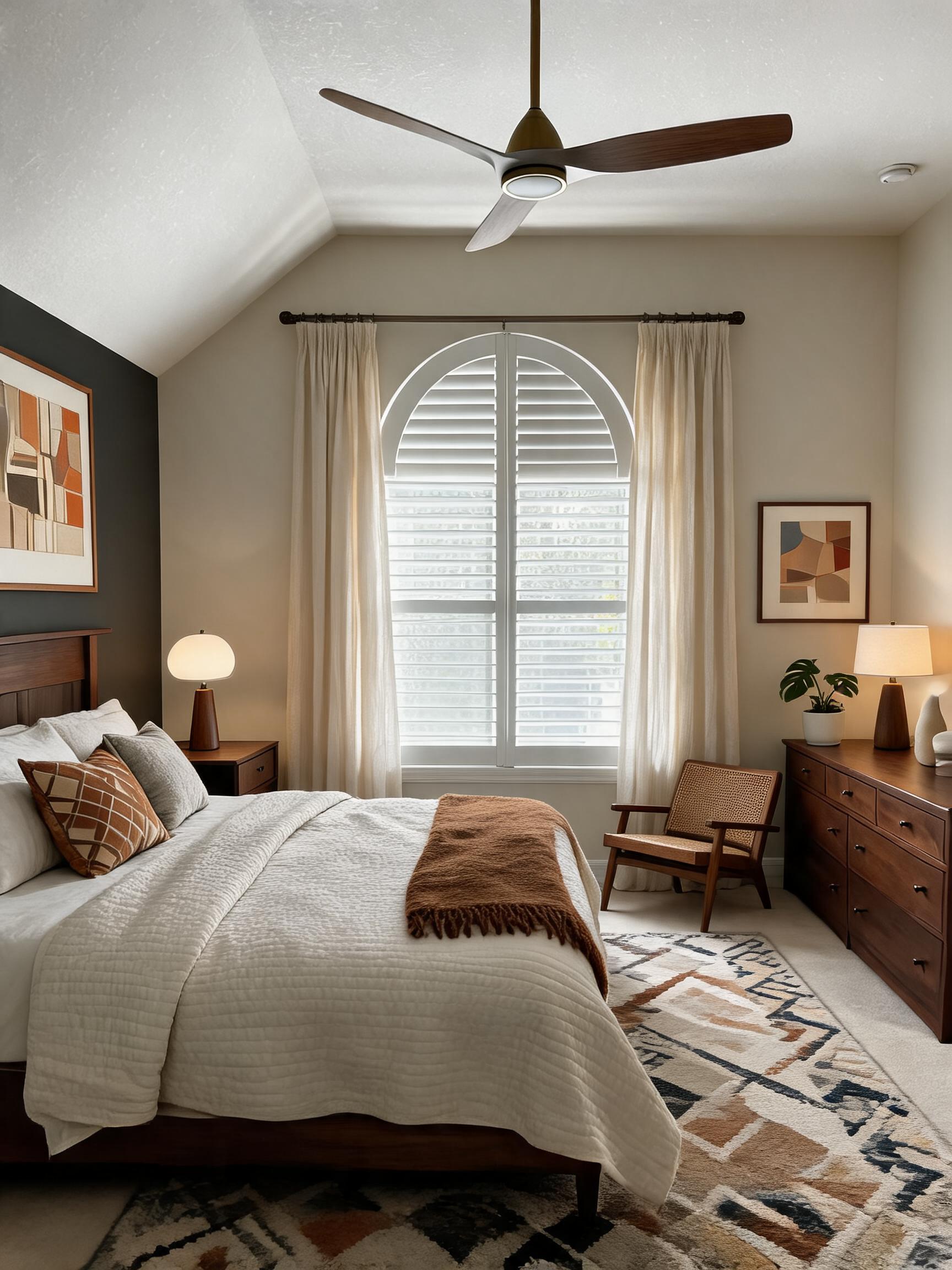
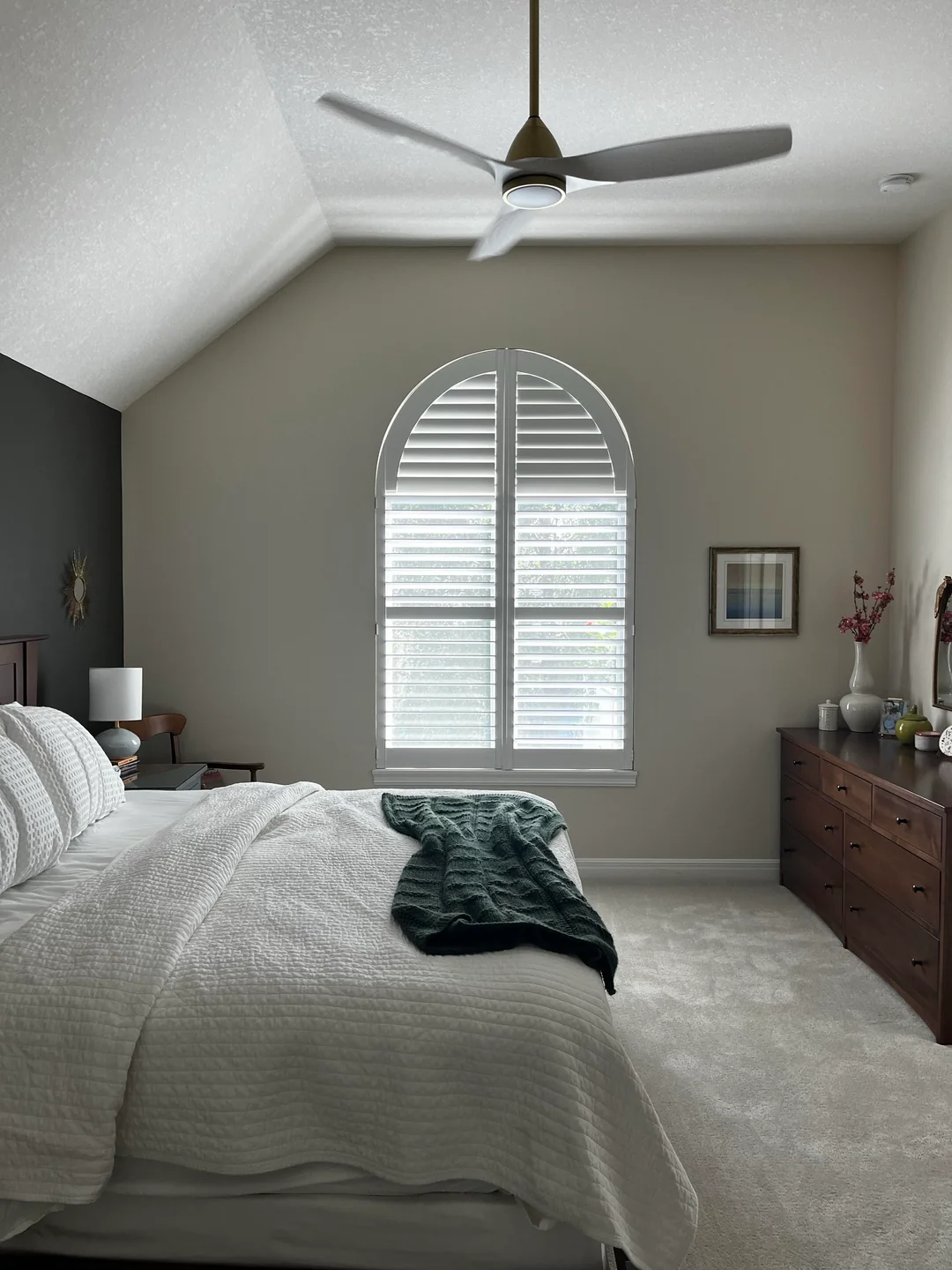
Bedroom · Midcentury Modern
A bedroom example that keeps the room grounded while improving the bed wall, lighting mood, and warm furniture balance.
View this case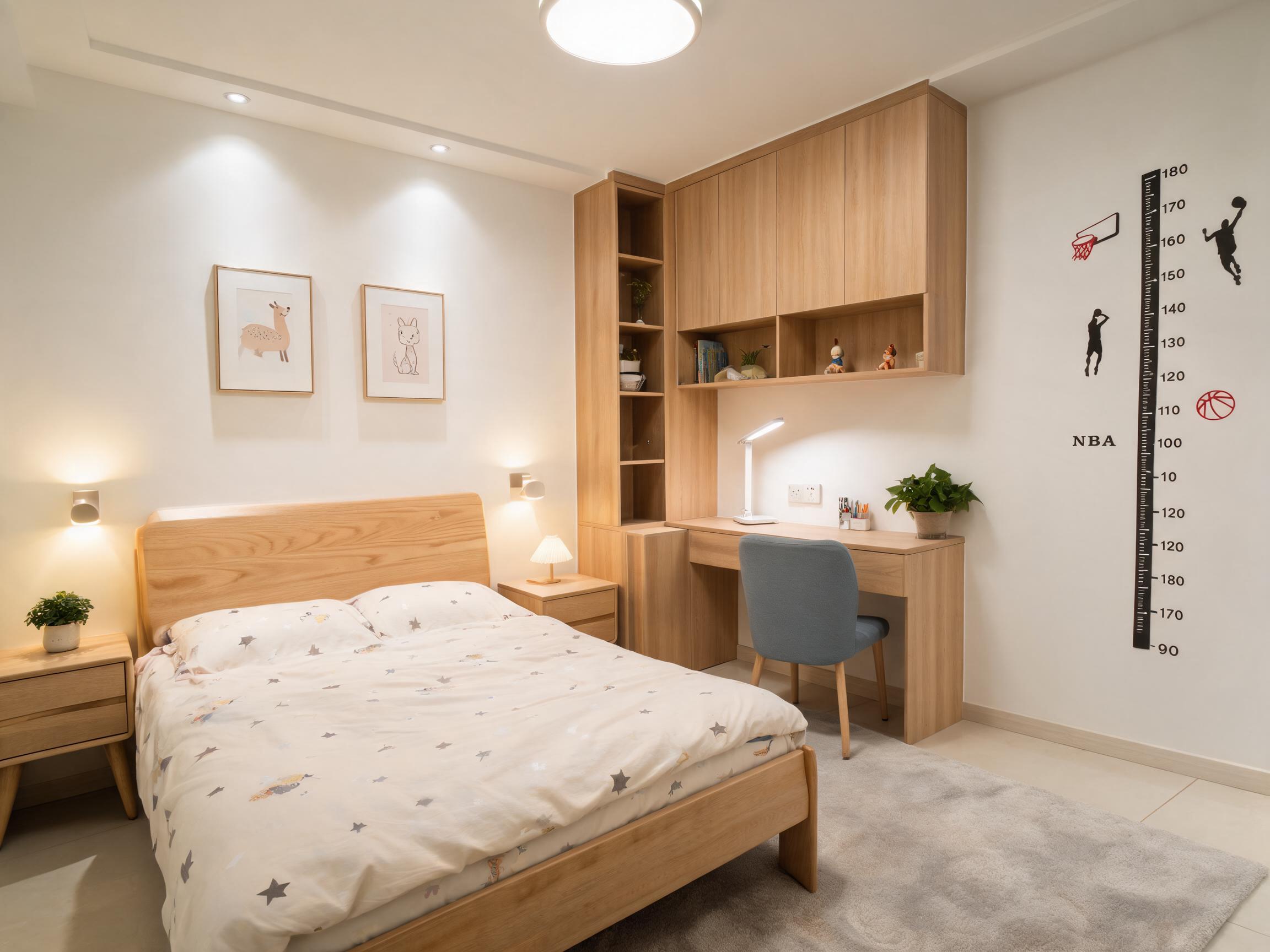
Bedroom · Modern
A bedroom case using a cleaner modern direction to make the sleep area feel calmer and more intentional.
View this caseRelated topics
Bedroom choices often affect the bathroom, living room, and full interior style. Use these pages for more examples, prompts, and room-specific design guidance.
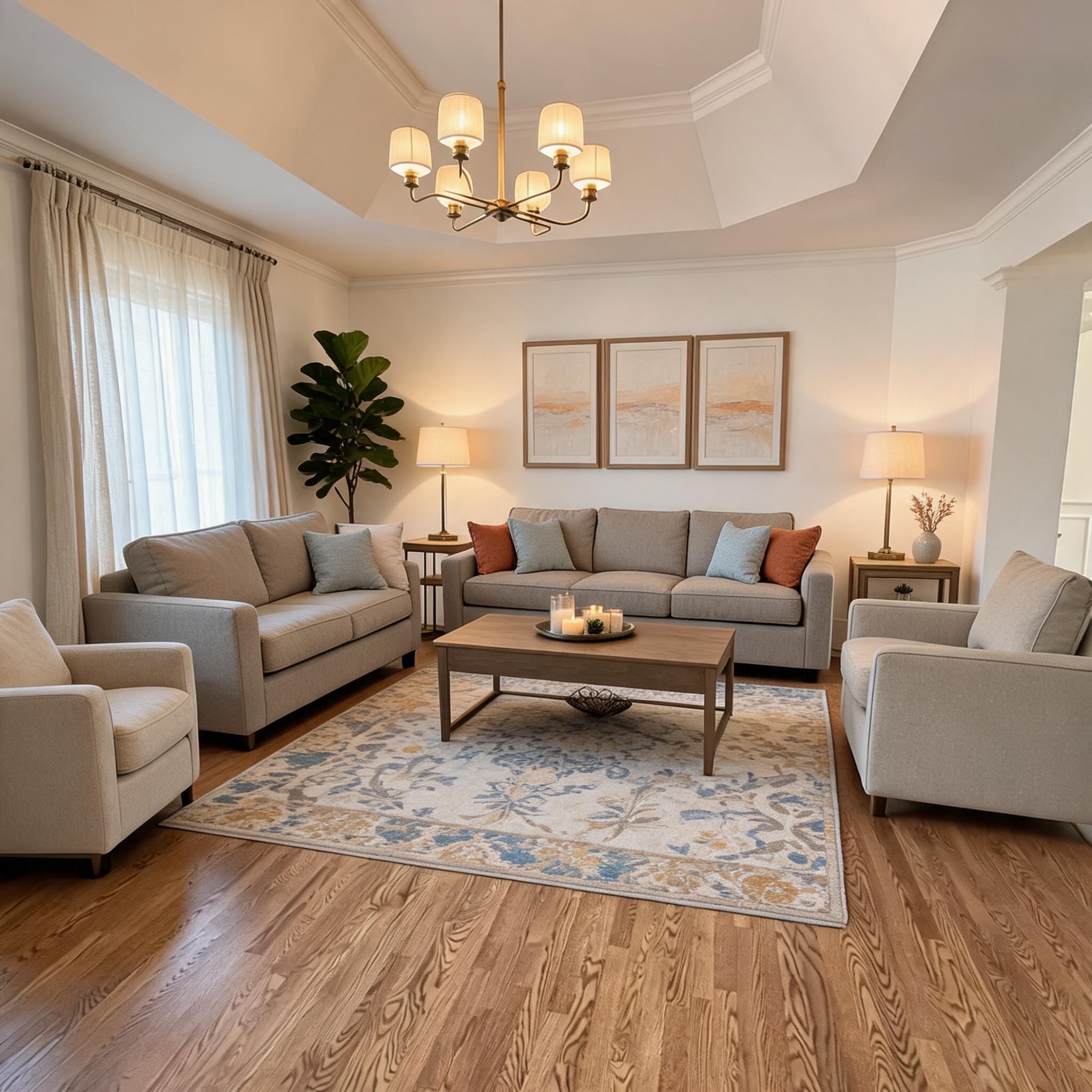
Upload a room photo, pick the room type and style, and generate a practical interior direction.
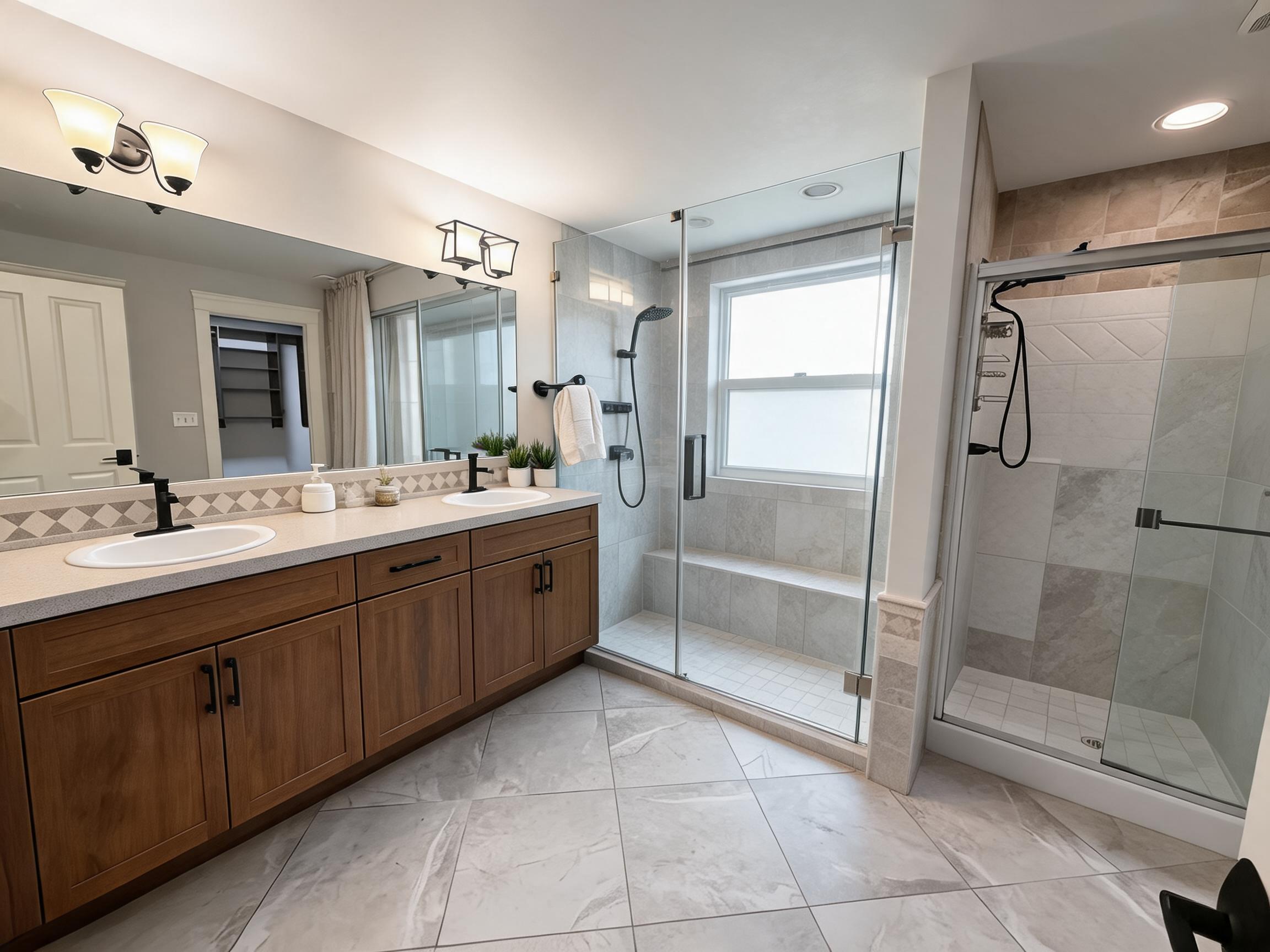
Explore vanity, tile, shower, mirror, and lighting directions before committing to a bathroom remodel.
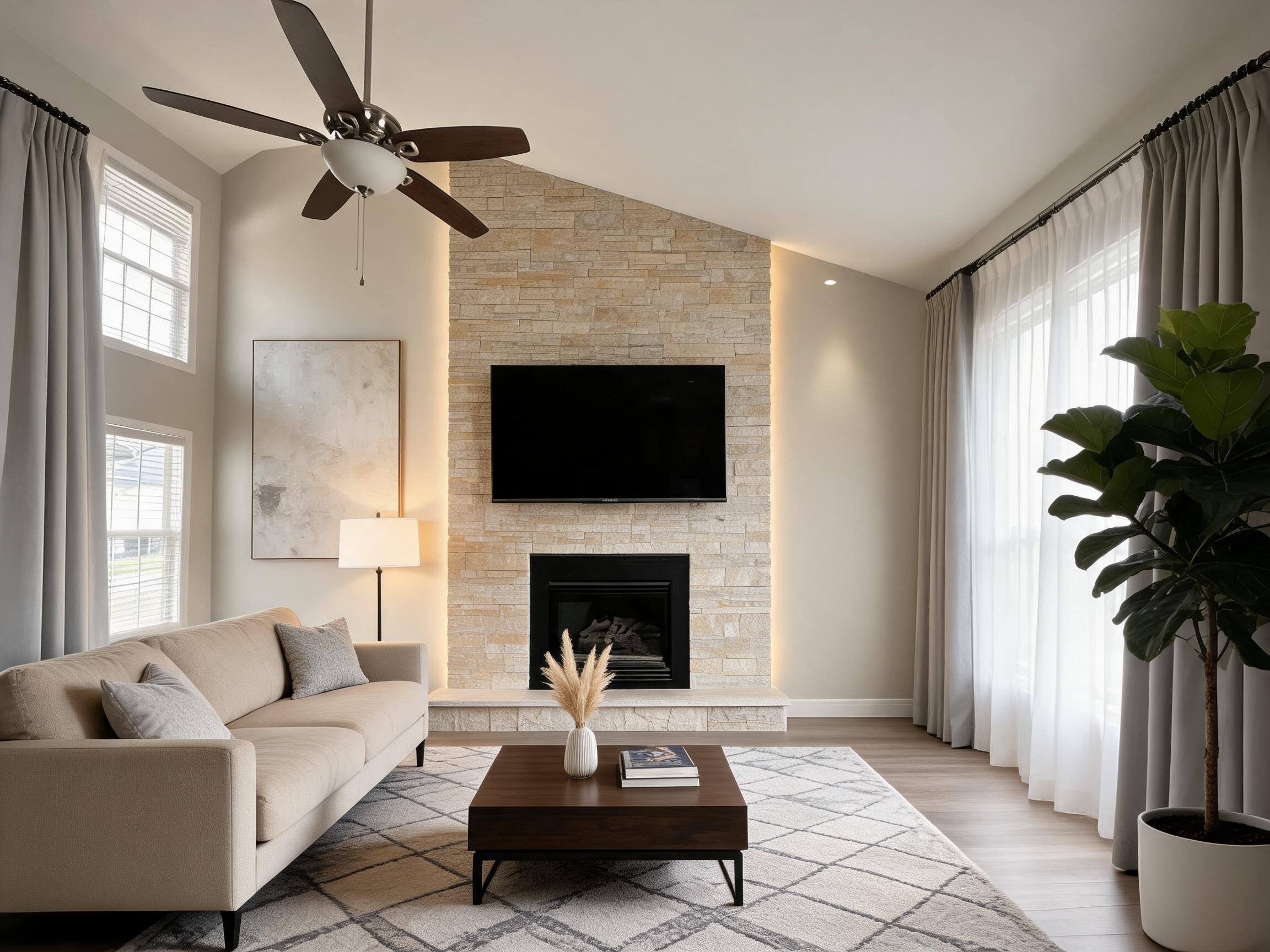
Work through seating, focal walls, rugs, lighting, and open-plan flow with a visual before-and-after preview.
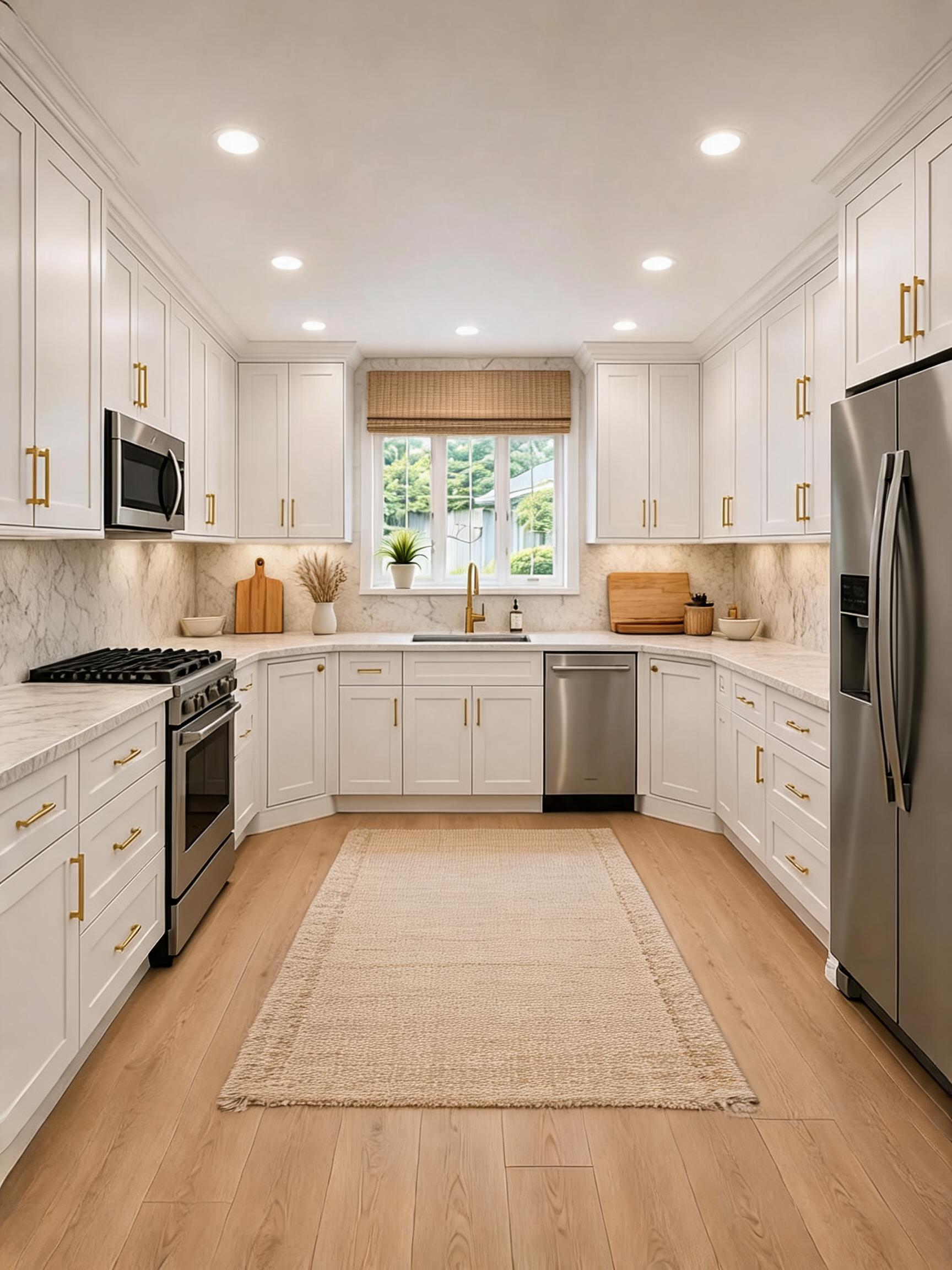
Preview cabinet color, backsplash direction, counter styling, lighting, and kitchen refresh ideas from one photo.
FAQ
Yes. A clear bedroom photo can help preview layout direction, bedding layers, bedside lighting, rug scale, storage, wall color, art, and the mood of the room. It is especially useful before buying furniture or decor because you can see the full room direction first.
Yes. Use Additional Prompt to say what should stay, such as the bed frame, mattress size, dresser, desk, closet doors, instruments, artwork, or wall color. Bedroom designs are more useful when the result respects the pieces you actually plan to keep.
Describe the feeling you want and the practical problems you need to solve. For example: "make it calmer and warmer," "add better bedside lighting," "keep the existing bed," "more storage but less clutter," or "renter-friendly bedroom makeover."
Minimalist, Scandinavian, Japandi, Modern, Midcentury Modern, Transitional, and warm Eclectic styles are common bedroom starting points. The best style is the one that works with your existing light, floor color, bed size, and storage needs.
Yes. Ask for renter-friendly changes such as bedding, rugs, curtains, lamps, art, plants, peel-and-stick accents, and freestanding storage. You can also say "no permanent renovation" so the design stays focused on reversible changes.
Use the generated design as a mood and scale guide, then verify real dimensions before purchasing. Bed size, nightstand width, dresser depth, rug size, outlet location, and walking clearance still need to be measured in the actual room.