
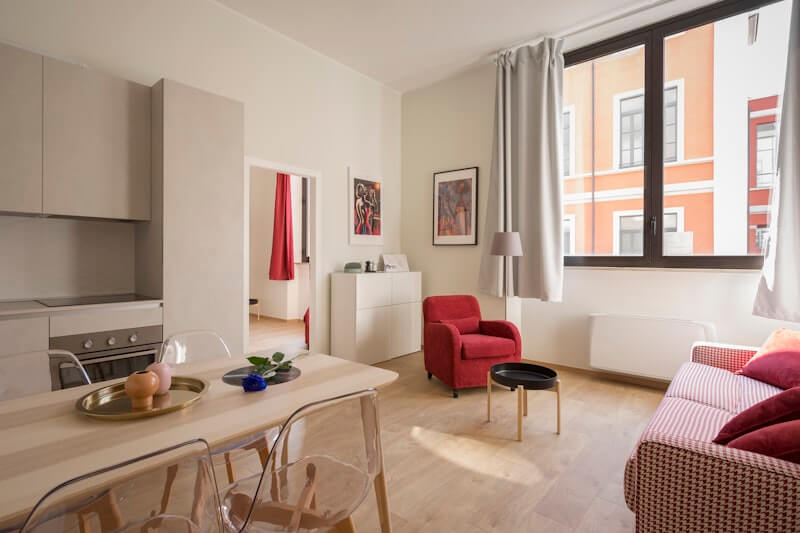
Room Design AI for Small Spaces: Layout and Decorating Ideas
Use room design AI to plan small apartments, compact bedrooms, and multi-use rooms with better layouts, lighter styling, and space-saving decor ideas.
Small spaces are unforgiving. A sofa that is a few inches too deep can block the walkway. A dark rug can make the floor feel smaller. Too many decor pieces can turn a cozy studio into visual clutter. When every decision is visible, it helps to preview ideas before you spend money.
Room design AI gives you a faster way to test those decisions. By uploading a photo of your small apartment, compact bedroom, studio, home office, or guest room, you can explore different layouts and interior design styles in the room you actually live in.
For many renters and homeowners in the United States, small-space design is not about creating a magazine-perfect room. It is about making the space feel calmer, more functional, and more intentional without wasting money on the wrong furniture. AI room design can help you compare options before you move the room around.
Why AI room design is useful for small apartments
Small apartment design is usually a balance between comfort, storage, and visual breathing room. You need a place to sit, sleep, work, eat, and store daily items, but you also want the room to feel open enough to enjoy.
AI room design is useful because it lets you test the big visual direction first. A compact living room might feel better with lower furniture and lighter woods. A small bedroom might look larger with warm neutrals and hidden storage. A studio apartment might need clearer zones for sleeping, working, and relaxing.
Those ideas are easy to describe, but hard to judge without seeing them. A realistic AI redesign gives you something to react to. You may notice that a lighter palette helps, but the furniture is too minimal. You may prefer a warmer Japandi look over a stark Minimalist layout. You may realize that the room needs better lighting more than new furniture.
This is where using an actual room photo matters. Generic small apartment inspiration is helpful, but your room has specific windows, corners, wall lengths, and traffic paths. A design based on your own photo gives you a more useful starting point.
Design styles that work well in small rooms
Some interior styles are naturally friendly to small rooms because they reduce visual noise and keep the space feeling lighter.
Minimalist design works when the room feels busy and needs fewer competing elements. Scandinavian design is a strong option when you want brightness, light wood, soft textiles, and practical comfort. Japandi works well if you want warmth and calm without making the room feel decorative or crowded. Modern design can be useful when you want a cleaner upgrade with simple furniture lines and a more polished finish.
The best style depends on how you use the room. A small home office may need focus and storage. A studio apartment may need zones. A compact bedroom may need calm. A small living room may need better seating and less clutter. Roomagic lets you explore these directions from a real room photo, and the Features page explains how style selection and AI rendering work together.
Practical small-space ideas to test with AI
Before redesigning a small room, test ideas that affect both function and appearance.
Start with furniture scale. Lower sofas, slimmer chairs, wall-mounted shelves, and narrow side tables can make a room feel less crowded. If your current furniture is heavy or dark, use AI room design to preview a lighter version before you replace anything.
Then look at visual flow. A small space often improves when the floor is more visible, the color palette is simpler, and one focal point leads the eye. That focal point might be a sofa wall, a bed, a piece of art, a window, or a built-in shelf. Too many focal points can make a room feel smaller.
Lighting also matters. Small rooms benefit from layered light: ceiling light, floor lamp, table lamp, wall light, or under-shelf light. A room can look cramped simply because the corners are dark. In an AI redesign, pay attention to whether the result adds warmth and depth through lighting, not just new furniture.
Storage should blend into the design. Closed cabinets, under-bed storage, built-in-looking shelving, and simple baskets can reduce clutter. When storage is too visible, the room may feel like a collection of containers rather than a finished interior.
You can browse AI room design examples to see how different rooms change with style, lighting, and furniture direction. Use the examples as a reference, then generate your own design from your room photo.
Common mistakes in small room decorating
Small-space decorating often goes wrong in predictable ways. One common mistake is buying furniture before deciding the room's visual priority. Another is choosing many small pieces because the room is small. Too many small items can actually create more clutter than a few well-scaled pieces.
Another mistake is using contrast in too many places. A black sofa, busy rug, colorful art wall, dark curtains, and open shelving can all look good separately, but together they may fragment the room. A more controlled palette usually feels more spacious.
Finally, many people underuse vertical space. Tall curtains, wall shelves, vertical art, and lighting can guide the eye upward. AI interior design can help you see whether those changes make the room feel taller and more complete.
Start with the room you already have
The best small-space ideas are not generic. They depend on your actual room shape, windows, doors, furniture, and daily habits. That is why room design AI from a photo is useful: it starts with your real constraints and turns them into clearer design options.
If you are planning a small apartment refresh or compact bedroom makeover, upload a clear photo, try two or three styles, and compare the results. Look for ideas that make the room feel easier to live in, not just more impressive on screen. When a direction feels right, use it as a reference for shopping, decorating, or planning your next step.